
How History Shaped Mexican Cuisine: From New Spain to Jus’ Tacos
Mexican cuisine is more than food—it is history, culture, and identity passed down through generations.
At Jus’ Tacos, every handmade tortilla, salsa, and filling reflects centuries of tradition. Our food is rooted in the transformation that began during the colonial period in New Spain, when Indigenous knowledge blended with European influences to shape what we now recognize as authentic Mexican gastronomy.
The Power of Medicinal Foods
During colonial times, food was not only nourishment—it was also medicine.
Ingredients such as cacao, vanilla, maguey, achiote, cinnamon, ginger, and anise were used to strengthen the body and treat illness. Indigenous communities already had deep knowledge of healing plants, and when Spanish herbs and spices arrived, an exchange of wisdom took place.
This fusion enriched traditional medicine and cooking, turning many everyday ingredients into natural remedies. These practices remain part of Mexican culinary culture today.
Convents: The Birthplace of Many Recipes
Convents played a major role in shaping Mexican cuisine.
Friars cultivated gardens filled with fruits, vegetables, medicinal herbs, and fruit trees. They introduced European crops and farming techniques such as irrigation and crop rotation.
Inside convent kitchens, many traditional recipes were developed, including breads, sweets, and special dishes that are still enjoyed today. These spaces became centers of cultural, agricultural, and culinary exchange.
Pulque and Community Life
Pulque, made from the aguamiel of the maguey plant, was one of Mexico’s most important traditional beverages.
Before the Spanish arrived, pulque had sacred and ceremonial meaning. Later, it became a daily drink enjoyed by people of all backgrounds. Rich in nutrients and easily accessible, it provided energy and helped sustain communities.
For centuries, pulque connected social life, economy, and tradition.
Markets and Cultural Exchange
Traditional Indigenous markets, known as tianguis, were central to community life. After colonization, these markets evolved under European systems of currency, weights, and measures.
New ingredients such as wheat, beef, pork, cheese, and wine were introduced. Over time, these blended with native foods like corn, beans, chile, and cacao, creating the foundation of modern Mexican cuisine.
This exchange changed how people produced, sold, and consumed food.
Food, Economy, and Society
The introduction of metallic currency and institutions like the alhóndiga and pósito helped regulate grain storage and prices. These systems aimed to prevent famine and maintain stability, though they also increased economic inequality.
Together, food, trade, and agriculture shaped the mestizo society that defines Mexico today.
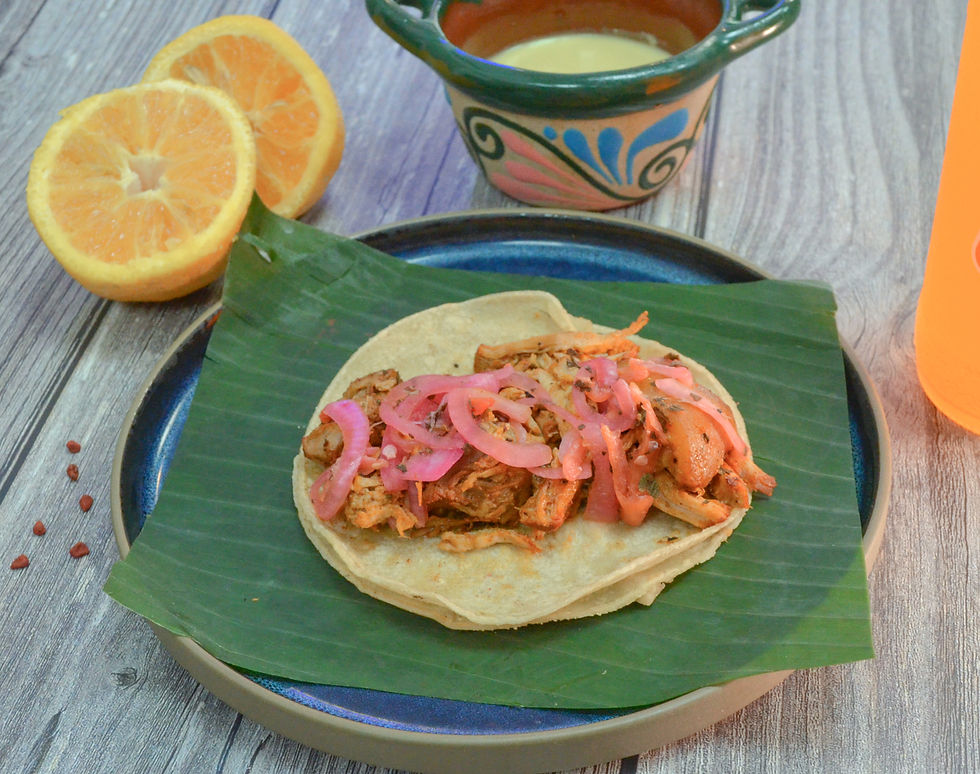
From History to Your Plate at Jus’ Tacos, try the best tacos in Essex County and surround areas.
At Jus’ Tacos, we proudly continue this legacy.
Our recipes are inspired by centuries of Indigenous wisdom, colonial techniques, and regional traditions. We use fresh ingredients, avoid shortcuts, and honor the roots of Mexican gastronomy.
When you enjoy our tacos, you are tasting:
• Generations of knowledge
• Cultural resilience
• Authentic craftsmanship
• True Mexican heritage
Every bite tells a story.
Our Mission
“Sharing our Mexican heritage and culture, one taco at a time.”
That is not just our slogan—it is our commitment.
We invite you to visit us in South Orange, New Jersey, and experience the flavors, history, and passion that define Jus’ Tacos.
🌮 Very Mexican Tacos
📍 South Orange, NJ
📲 @jus_tacosnj
Biography:
Curiel y Monteagudo, J. L., & Aspe, V. A. de. (1996). Ciencia y cocina prehispánica y su mestizaje: Discurso de recepción en la Academia Hispanoamericana de Ciencias, Artes y Letras correspondiente de la Real Española. Ciudad de México: Real Academia Hispanoamericana.


Comments