Traditional Mexican Cuisine: A 5,000- Year Food Legacy
Updated: Mar 31
Mexican cuisine is one of the world’s oldest and most complex food traditions. For more than 5,000 years, Mesoamerica civilizations built their diet around the sacred triad: maize, beans, and squash, supported by chiles, tomatoes, cacao, and native herbs. Food was not just nourishment—it was medicine, spirituality, ritual, and identity.
Pre-Hispanic communities ate modestly, often two or three times a day. Mornings began with hot cacao, while the most important meal was eaten at midday. Corn tortillas, beans, salsas, chiles, and tamales formed the foundation of daily life. Tamales and beverages like cacao and pulque were also central to religious offerings, reinforcing the deep connection between food and the sacred.
Each month, specific dishes were prepared for different deities. Offerings changed with the agricultural cycle, showing how cuisine followed nature’s rhythm. Women played a central role in preserving culinary knowledge, preparing tortillas of various sizes, complex stews, moles, and ceremonial tamales. One of the most impressive examples still made today is zacahuil, a massive Huasteca tamal cooked for large celebrations.
The Spanish Arrival and Culinary Mestizaje
The arrival of the Spanish in 1519 transformed Mexican cuisine through a process of culinary mestizaje. Ingredients such as wheat, rice, beef, pork, dairy, sugar, citrus fruits, and spices were introduced alongside European cooking tools and ovens. Markets became spaces of cultural exchange where Indigenous and European foods coexisted.
Despite these changes, the Indigenous foundation of maize, beans, and chiles endured. Over time, new dishes emerged—neither fully European nor Indigenous, but uniquely Mexican.
From Independence to Industrialization
After Mexico’s independence, international trade expanded, bringing ingredients and customs from Germany, England, and other countries. During the 19th century, Mexican intellectuals sought to reclaim Indigenous identity, yet European cuisine continued to dominate elite dining.
The 20th century brought industrialization: tortilla machines, canned foods, and multinational corporations changed how people ate. While these innovations made food more accessible, they also introduced highly processed products rich in sugars and fats.
Mexican Cuisine Today
Today, Mexican gastronomy is recognized by UNESCO as Intangible Cultural Heritage of Humanity. It is a cuisine shaped by history, resilience, and cultural fusion—yet deeply rooted in its Indigenous origins.
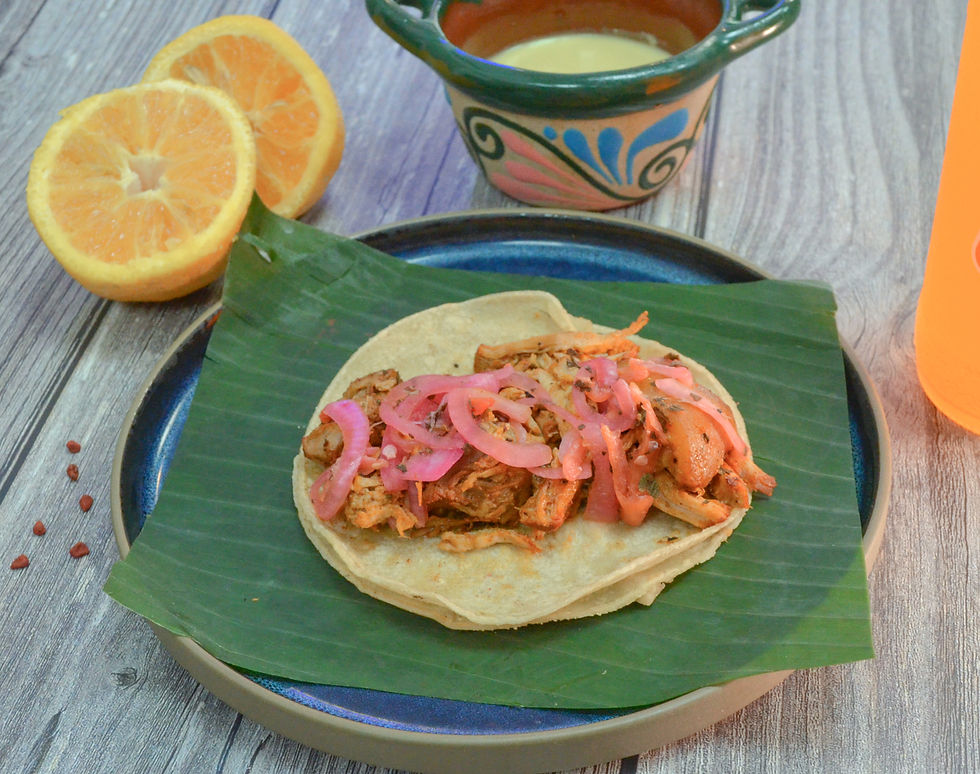
At Jus’ Tacos, we honor this living history by staying true to traditional ingredients, handmade tortillas, and time-honored techniques. Every taco we serve carries thousands of years of culture, memory, and flavor.
Because Mexican food isn’t a trend—it’s a legacy.
👉 Come taste history with us at Jus’ Tacos.
⸻


Comments