Discover the Richness of Denomination of Origin in Authentic Mexican Tacos
Updated: Mar 31
Why Authenticity Matters in Mexican Cuisine
In Mexico, food is not just cooked — it is protected, honored, and passed down through generations. The Denomination of Origin (DO) in Mexico is a legal recognition that certifies certain Mexican products as unique due to their geographic region, climate, traditional techniques, and ancestral knowledge. This distinction plays a key role in preserving traditional Mexican gastronomy, protecting local communities, and safeguarding the authenticity of ingredients that define our cuisine.
At Jus’ Tacos, we believe real Mexican food begins with respect for origin, tradition, and culture. Our kitchen is inspired by authentic Mexican ingredients, traditional techniques, and the deep culinary heritage protected by Mexico’s Denomination of Origin system. That’s why we proudly share some of Mexico’s most important products with Denomination of Origin.
The Essence of Denomination of Origin
Denomination of Origin does more than protect products — it protects communities, ancestral knowledge, and cultural identity. Each ingredient with DO tells a story that travels from the land to the table, from the past into the present. These ingredients are not just components of a dish; they are the heart and soul of Mexican cuisine.
The Importance of Authentic Ingredients
Using authentic ingredients is essential for creating genuine flavors. At Jus’ Tacos, we are committed to sourcing ingredients that reflect the true essence of Mexican culinary traditions. When we use products with Denomination of Origin, we ensure that every taco we serve is a celebration of culture and heritage.
Our Passion for Traditional Flavors
We are passionate about sharing the flavors of Mexico with our community. Each taco we craft is made with love and respect for the ingredients. We want our customers to experience the rich tapestry of flavors that come from authentic Mexican cuisine.
The Journey of Our Ingredients
Let’s take a closer look at some of the incredible ingredients we use at Jus’ Tacos, all of which carry the prestigious Denomination of Origin:
Tequila: A Symbol of Mexican Identity
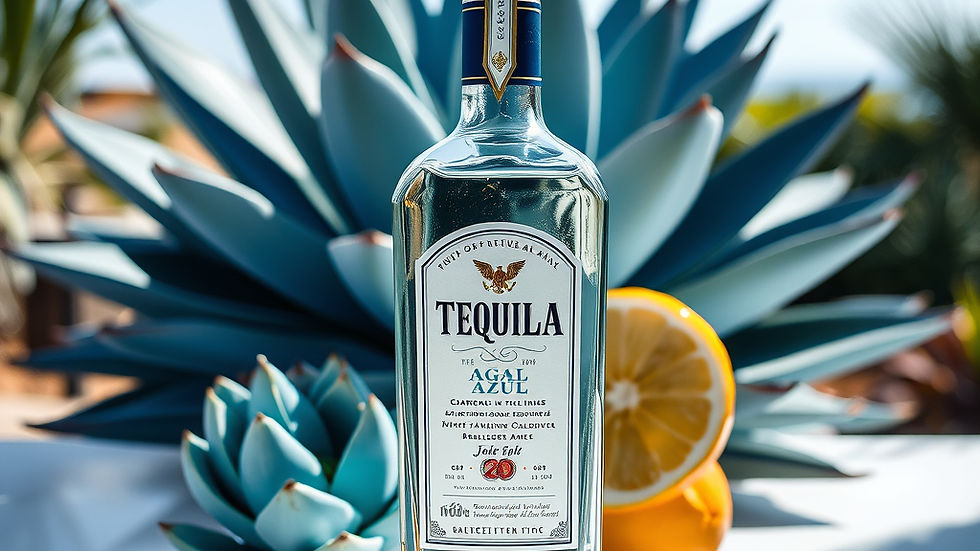
Tequila is a distilled alcoholic beverage made from blue agave. Its Denomination of Origin protects production in Jalisco, as well as specific municipalities in Nayarit, Tamaulipas, Michoacán, and Guanajuato. Tequila is one of Mexico’s most iconic exports and a global symbol of Mexican identity.
Mezcal: Heritage in a Glass
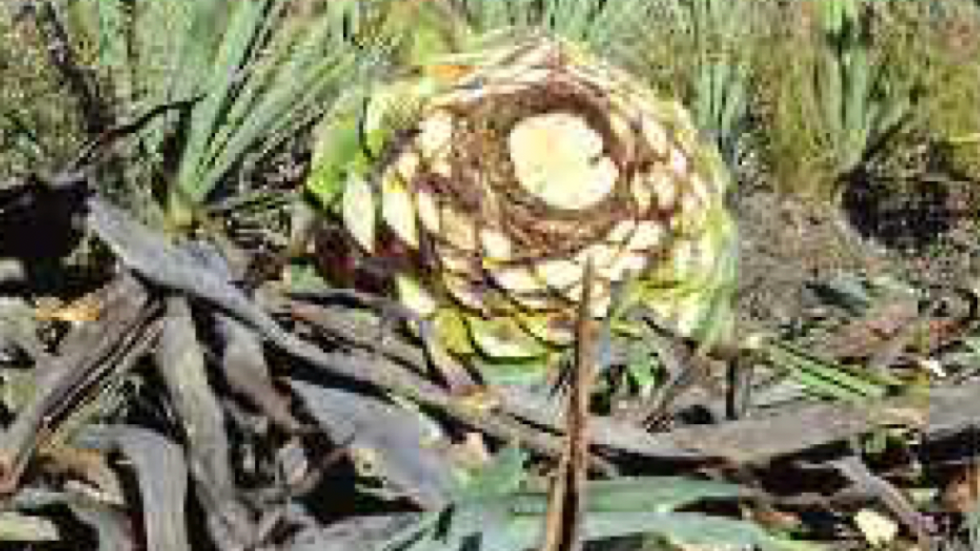
Mezcal is a distilled spirit made from maguey, known for its artisanal processes and diverse flavor profiles. Its DO includes regions in Oaxaca, Guerrero, Durango, San Luis Potosí, Zacatecas, Tamaulipas, Michoacán, and Guanajuato. Mezcal is not just a drink — it is heritage in a glass.
Bacanora: A Symbol of Cultural Resilience

Bacanora is a regional alcoholic beverage from the state of Sonora, produced from agave. Once made in secrecy, today it stands as a symbol of cultural resilience and regional pride.
Sotol: A Taste of Northern Mexico
Sotol is a distilled beverage produced from the sotol plant, with Denomination of Origin in Chihuahua, Coahuila, and Durango. Its flavor reflects the desert landscapes and traditions of northern Mexico.
Habanero Chili: The Spice of Life

One of Mexico’s most aromatic and spicy chilies, the habanero can be found fresh, dried, in paste, powder, or sauces. Its Denomination of Origin protects production in Yucatán, Campeche, and Quintana Roo.
Vanilla: A World-Renowned Flavor

Produced from the orchid Vanilla planifolia, this vanilla is world-renowned for its intense aroma and complex flavor. It is primarily cultivated in Veracruz and Puebla, using ancestral techniques passed down for generations.
Ataúlfo Mango: The King of Mangoes

Known as the “king of mangoes,” the Ataúlfo mango stands out for its sweetness, smooth texture, and vibrant color. Its DO protects several municipalities in the Soconusco region of Chiapas, where the climate makes it truly unique.
Chiapas Coffee: A Deep Connection to the Land

Coffee made from Coffea arabica, grown at high altitudes and known for its complex flavor profiles. Chiapas coffee represents the deep connection between local communities and the land.
Veracruz Coffee: A Rich Tradition

Recognized for its intense aroma and balanced flavor, Veracruz coffee plays a central role in Mexico’s coffee-growing history and tradition.
Rice from Morelos: Preserving Quality

This Denomination of Origin protects rice varieties such as palay, brown, and polished rice, along with their by-products. It preserves traditional cultivation methods and exceptional grain quality.
Amber from Chiapas: Nature's Craftsmanship
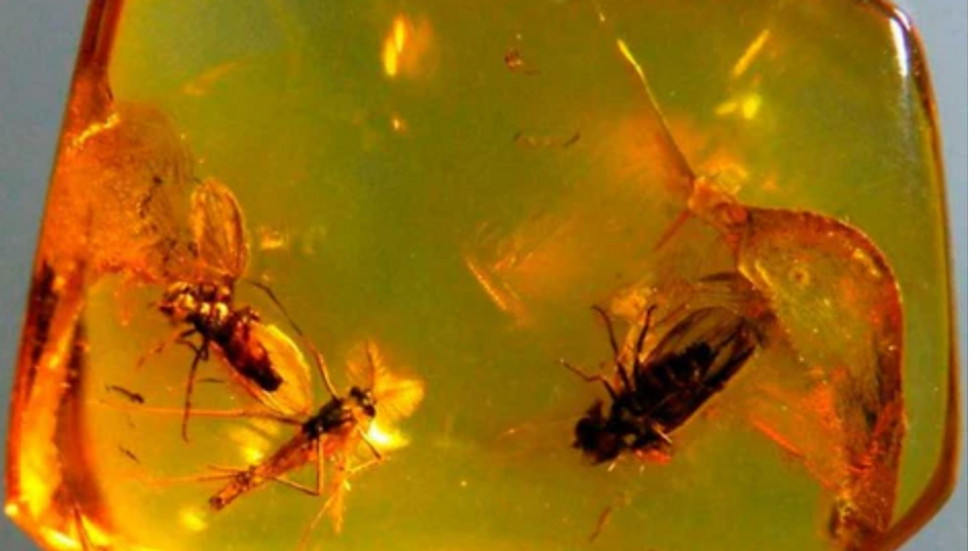
A fossilized plant resin considered a semi-precious stone. While not a food product, Chiapas amber represents the strong link between nature, craftsmanship, and regional identity.
Talavera from Puebla: A Culinary Tradition

Hand-painted ceramic ware known for its traditional techniques and distinctive colors. Though not edible, Talavera is an essential part of Mexican culinary culture and table presentation.
Olinalá: Art Meets Tradition

Wooden handicrafts from Guerrero, famous for their intricate lacquer techniques. Olinalá pieces are part of Mexico’s everyday and festive life, blending art with tradition.
Charanda: A Unique Beverage
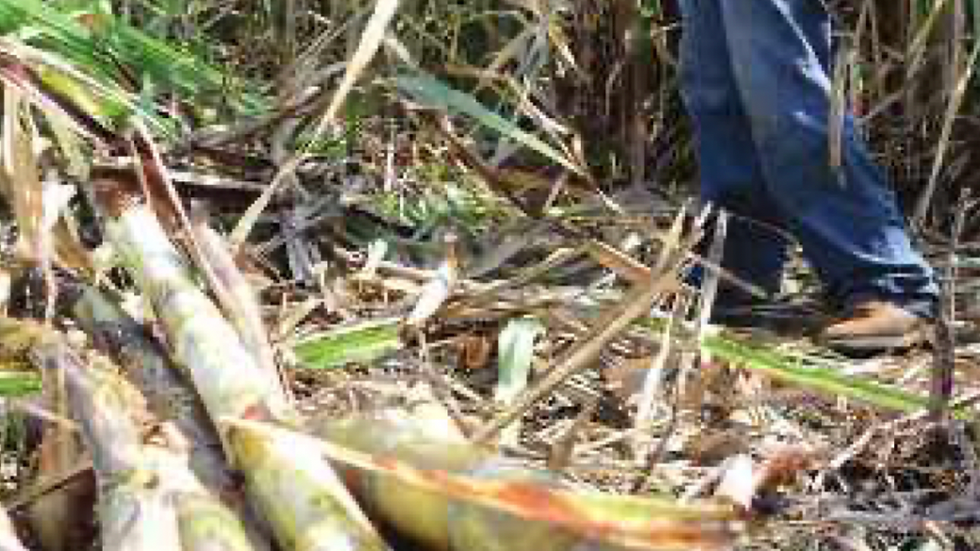
An alcoholic beverage obtained from the fermentation and distillation of sugarcane juice.
Very Mexican Tacos
At Jus’ Tacos, we honor these origins because we believe authentic Mexican food is built on respect, tradition, and memory. By using and celebrating ingredients with Denomination of Origin, we help preserve Mexico’s culinary heritage while offering flavors that are truly rooted in place and culture.
Looking to experience authentic Mexican food in New Jersey? At Jus’ Tacos, our menu and catering services are inspired by traditional Mexican gastronomy and ingredients protected by Denomination of Origin.
👉 Learn more about our story on our About Jus’ Tacos page
👉 Explore our traditional Mexican menu made with fresh, authentic ingredients
👉 Book our Mexican catering and taquiza services in New Jersey for your next event
Frequently Asked Questions: Denomination of Origin in Mexican Food
What is Denomination of Origin in Mexico?
Denomination of Origin (DO) is a legal protection that guarantees a product comes from a specific region and follows traditional methods. In Mexican food, it helps preserve authenticity, quality, and cultural heritage.
Why is Denomination of Origin important for Mexican cuisine?
It protects ancestral knowledge, supports local producers, and ensures that ingredients used in traditional Mexican gastronomy remain true to their origin.
What are examples of Mexican products with Denomination of Origin?
Some well-known examples include tequila, mezcal, chile habanero from the Yucatán Peninsula, vanilla from Papantla, Ataúlfo mango from Chiapas, and coffee from Chiapas and Veracruz.
Does Jus’ Tacos use authentic Mexican ingredients?
Yes. At Jus’ Tacos, we prioritize authentic Mexican ingredients, traditional techniques, and respect for Mexican culinary heritage in everything we prepare.
Denomination of Origin in Mexico protects the authentic ingredients that define traditional Mexican gastronomy. At Jus’ Tacos in New Jersey, we honor this heritage by serving authentic Mexican food rooted in culture, tradition, and flavor.
Source: Ruiz Islas, A. (2016). Denominations of Origin: Pride of Mexico. Mexican Institute of Industrial Property.


Comments